
Front Page › Investigations › Cannabis Licensing and Social Equity
Cannabis Licensing and Social Equity
How Connecticut hands out cannabis licenses, who qualifies as a social equity applicant, what the Social Equity Council decides and how, and the state and federal lawsuits testing the system.
Connecticut’s cannabis market was built around a social equity program: a council that decides who qualifies, equity joint ventures that pair applicants with established operators, and a licensing lottery. This investigation covers how those decisions get made, the audits and council meetings, the exit rules that let equity partners sell out, and the lawsuits, from Leaf CT’s 2022 appeals to Smith v. Lamont in federal court, that test whether the system is lawful.
Main story
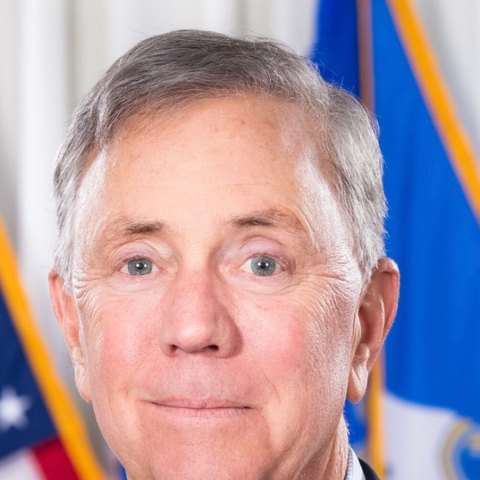
Smith v. Lamont Is Not Over: The Judge Ruled on Neither Side of the Constitutional Question
A federal judge dismissed the original complaint in Smith v. Lamont without prejudice. An amended complaint is on file, a Massachusetts grower is asking to join, and no court has ruled on whether Connecticut’s social equity licensing restrictions are constitutional.
Recent developments
- Nearly 97% of Documented Cannabis Raids Happened Inside or Within Five Miles of a DIAOctober 17, 2026 · Enforcement
- Seeking Interviews: Social Equity Owners, JV Partners, Operators and Cultivation EmployeesOctober 8, 2026 · The Editor's Desk
- Federal Licensing Challenge Continues as State Seeks Second DismissalOctober 8, 2026 · Courts
Timeline
- October 17, 2026StoryNearly 97% of Documented Cannabis Raids Happened Inside or Within Five Miles of a DIA
- October 17, 2026StorySmith v. Lamont Is Not Over: The Judge Ruled on Neither Side of the Constitutional Question
- October 8, 2026StorySeeking Interviews: Social Equity Owners, JV Partners, Operators and Cultivation Employees
- October 8, 2026StoryFederal Licensing Challenge Continues as State Seeks Second Dismissal
- September 23, 2026StoryShut Out of Connecticut's Cannabis Industry? A Federal Ruling Shows Why Your Experience May Matter
- September 22, 2026Judge Oliver dismisses the original Smith v. Lamont complaint with leave to amend.
- July 29, 2026StoryFirst State Audit Shows the Social Equity Council Still Wrestling With Oversight
- June 26, 2026StoryThe Pequot Compact Shows the Licensing Barriers Were Always Manufactured
- June 12, 2026StorySEC Discusses 'Enforcement Opportunities.' Why That Language Should Concern the Community
- June 12, 2026StoryLiability Discussion Sparks Rare Governance Clash at Social Equity Council Meeting
- June 10, 2026StoryEquity Grants Need Public Trust. So Why Is Doug McCrory Hosting the Forum?
- May 14, 2026StoryPublic Comment Is Back at the Social Equity Council, After the Session Already Changed the Market
- May 14, 2026StoryConnecticut Built a Cannabis Scarcity Market. Other States Prove There Is a Better Way
- May 14, 2026StoryTyson 2.0 Launch Exposes the 'White Label' Market and Social Equity Contradictions
- May 6, 2026StorySEC Executive Director Brandon McGee Added to the Statewide Cannabis and Hemp Enforcement Board
- April 26, 2026StoryFBI-Linked Blue Hills Investigation Raises Questions Near the Social Equity System
- April 22, 2026StoryHB 5350 Opens Door to Sale of Social Equity Cannabis Businesses After Six Years
- January 29, 2026StoryState's Own Reports Show Most People Are Shut Out of the Legal Cannabis Market
- December 21, 2025StoryHB 7181 Quietly Changed How Cannabis Rules Are Made in Connecticut
- December 21, 2025StorySEC's Proposed E-Regulation: Lawmakers Were Warned About Exploitation, Then Allowed It
- December 17, 2025StorySEC Moves to Cut the Social Equity Exit Rule From Seven Years to Three Through DCP E-Regulations
- December 5, 2025Story83% of Busted Smoke Shops Kept Their Licenses: Three Strikes vs. 'Pay Fines and Keep Selling'
- December 1, 2025StorySoundView Shows 'Social Equity' Is a ZIP Code, Not a Lived Experience
- November 24, 2025StoryWhy the Social Equity Council's 'Partner Awards' Expose a Conflict of Interest
- November 21, 2025StoryHi! People and Emerald Lounge: A Grand Opening That Reveals Unequal Enforcement
- November 21, 2025StoryThe Cicero Connection: Cannabis, Power and the Expanding Federal Probe
- November 7, 2025CorrectionCorrection to "The Hidden Empire: How the Zachs and Patels Captured the 'Equity' Cannabis Market": This article treated every Patel appearing in state license records as part of one extended group. That was incorrect. Pinkal Patel, a licensed pharmacist, appears only within Fine Fettle's equity joint venture network alongside the Zachs family. Kepal Patel and Nevil Patel lead Shangri-La, a separate retail and manufacturing company with no shared backers or addresses. A corrected version of the license analysis was published November 7, 2025.
- November 7, 2025StoryEquity in Name Only: How the Social Equity Council Became a Political Network
- November 6, 2025StoryThe Hidden Empire: How the Zachs and Patels Captured the 'Equity' Cannabis Market
- November 5, 2025StoryFrom 'Gateway Drug' to Green Gold: The Ex-Senator, the Mayor and the Council's Next Big Vote
- November 3, 2025StoryState Records Confirm Silver Point Subsidiary Now Holds Theraplant's License
- October 16, 2025StoryCultivator Challenges Connecticut Licensing as Unconstitutional in New Federal Suit
- October 14, 2025Smith v. Lamont filed in federal court challenging the social equity licensing scheme.
- September 28, 2025StoryOregon Proved It: Connecticut Needs Real Competition in Cannabis
- August 5, 2025StoryFederal Probe Ties Cannabis Consulting, Nonprofit Grants and Political Power
- August 1, 2025StoryFederal Grand Jury Probe Deepens as State Confirms Cooperation
- August 1, 2025StoryFederal Grand Jury Probe Reaches From the Capitol to the Dispensary
- June 5, 2025StoryThe Drug War 2.0 Has Begun in Connecticut
- June 3, 2025StoryJune 3, 2025: LCO 10422 Adds Protections for Social Equity Applicants, None for Individuals
- May 30, 2025StoryWhat HB 7178 Does to Connecticut's Cannabis Market
- March 14, 2025StoryIs Connecticut's Cannabis Industry Rigged? Allegations of Selective Enforcement Surface
All stories in this investigation (38)

Nearly 97% of Documented Cannabis Raids Happened Inside or Within Five Miles of a DIA
A Connecticut CannaTimes investigation found that 91.6% of documented cannabis enforcement locations, 96.7% of search-warrant raids, and 92.7% of enforcement actions involving arrests occurred inside or within five miles of areas Connecticut designated as disproportionately harmed by the drug war.

Seeking Interviews: Social Equity Owners, JV Partners, Operators and Cultivation Employees
Connecticut CannaTimes is hoping to connect with Derrick Gibbs of Budr Cannabis, Jocelyn Cerda of Shangri-La CT, and other social equity owners, equity joint venture partners, cannabis business operators, and individuals with firsthand experience navigating Connecticut’s licensed cannabis market.
Federal Licensing Challenge Continues as State Seeks Second Dismissal
A federal lawsuit challenging Connecticut’s cannabis social equity licensing system is moving into another round of litigation, with a new court conference scheduled for October 22.
Shut Out of Connecticut's Cannabis Industry? A Federal Ruling Shows Why Your Experience May Matter
A federal judge dismissed a constitutional challenge to Connecticut’s cannabis licensing system this week, but not because the court found the state’s social equity rules constitutional. The ruling instead identifies shortcomings in the plaintiff’s case and leaves the door open for an amended complaint. It also raises an important question: Are there cannabis entrepreneurs who

First State Audit Shows the Social Equity Council Still Wrestling With Oversight
When former State Representative Brandon McGee became Executive Director of Connecticut’s Social Equity Council in August 2024, he inherited an agency at a turning point.
The Pequot Compact Shows the Licensing Barriers Were Always Manufactured
For years, the state treated cannabis licenses like golden tickets. Limited licenses. Lottery windows. Application fees. Social Equity Council reviews. DCP bottlenecks. Ownership audits. Residency tests. Income tests. Backer scrutiny. Management agreement restrictions. Years of delay.
SEC Discusses 'Enforcement Opportunities.' Why That Language Should Concern the Community
A phrase buried within a June 2, 2026 Social Equity Council legislative update may raise uncomfortable questions for patients, advocates, and cannabis entrepreneurs across Connecticut.
Liability Discussion Sparks Rare Governance Clash at Social Equity Council Meeting
A routine Connecticut Social Equity Council meeting took an unexpected turn on May 5 when a discussion about liability protections, legal disclaimers, and loan programs evolved into a public disagreement over the relationship between Council members and agency staff.
Equity Grants Need Public Trust. So Why Is Doug McCrory Hosting the Forum?
As Connecticut prepares to distribute millions of dollars in cannabis tax revenue through the Social Equity Council’s Reimagine & Revitalize (R2) Community Reinvestment Program, an uncomfortable question is emerging:
Public Comment Is Back at the Social Equity Council, After the Session Already Changed the Market
The Connecticut legislative session may be over, but the decisions made this year are going to shape the state’s cannabis market for years and now the Social Equity Council is once again allowing public comment at meetings.
Connecticut Built a Cannabis Scarcity Market. Other States Prove There Is a Better Way
Connecticut officials keep acting like consumer freedom is the problem with the cannabis market.
Tyson 2.0 Launch Exposes the 'White Label' Market and Social Equity Contradictions
Connecticut consumers are being told that Mike Tyson’s cannabis brand is officially coming to the state through Rodeo Cannabis in Rocky Hill.
SEC Executive Director Brandon McGee Added to the Statewide Cannabis and Hemp Enforcement Board
Connecticut lawmakers quietly inserted a major cannabis power shift into HB 5222.
FBI-Linked Blue Hills Investigation Raises Questions Near the Social Equity System
A federal investigation into the collapse of a Hartford nonprofit is raising new oversight questions that now sit uncomfortably close to Connecticut’s cannabis social equity system.
HB 5350 Opens Door to Sale of Social Equity Cannabis Businesses After Six Years
Hartford, CT — A provision in the amended version of House Bill 5350 creates a clear pathway for Social Equity cannabis businesses in Connecticut to be sold or transferred after a set period; while requiring a fixed state fee each time ownership changes.
State's Own Reports Show Most People Are Shut Out of the Legal Cannabis Market
Connecticut’s legal cannabis market is often described as open, regulated, and equitable. But multiple nonpartisan reports produced by the Connecticut General Assembly’s Office of Legislative Research show that, in practice, most people are effectively blocked from participating.
HB 7181 Quietly Changed How Cannabis Rules Are Made in Connecticut
When Connecticut lawmakers passed HB 7181 in June 2025, most attention focused on enforcement, smoke shops, and cannabis penalties.
SEC's Proposed E-Regulation: Lawmakers Were Warned About Exploitation, Then Allowed It
Editors Note: As we reviewed the record for this article, the number of contradictions became impossible to ignore. Lawmakers warned that shortening social equity protections would increase exploitation risk, then later approved that change.
SEC Moves to Cut the Social Equity Exit Rule From Seven Years to Three Through DCP E-Regulations
Connecticut lawmakers warned this would happen. They warned who it would benefit. They warned it would gut social equity. And now, despite those warnings being made on the record, the Social Equity Council has formally proposed the very change legislators said would invite buyouts and push equity owners out.
83% of Busted Smoke Shops Kept Their Licenses: Three Strikes vs. 'Pay Fines and Keep Selling'
Connecticut lawmakers had two paths in front of them this year.
SoundView Shows 'Social Equity' Is a ZIP Code, Not a Lived Experience
How two professionally established applicants became “equity” through census-tract rules—despite no documented War-on-Drugs harm, multiple denials, and a clean licensing record.
Why the Social Equity Council's 'Partner Awards' Expose a Conflict of Interest
When the Social Equity Council (SEC) announced its 2025 “Partner Award” honorees this week, the post looked harmless — smiling photos, hashtags about leadership, polished talking points about “equity in action.”
Hi! People and Emerald Lounge: A Grand Opening That Reveals Unequal Enforcement
There is no scenario in which an ordinary Hartford resident could light up cannabis outside a storefront, 20–25 feet from a business entrance, without risking a citation or confrontation. Public consumption rules are enforced aggressively. Municipal police, DCP, and the Clean Indoor Air Act all restrict where an individual can smoke — and lower-income communities feel this enfo
The Cicero Connection: Cannabis, Power and the Expanding Federal Probe
A NEW NAME EMERGES IN CONNECTICUT’S CANNABIS EQUITY LANDSCAPE — AND IN A FEDERAL PROBE
Equity in Name Only: How the Social Equity Council Became a Political Network
The Connecticut Social Equity Council (SEC) was designed to give people harmed by cannabis prohibition a seat at the table. But every person with voting power on the Council already answers to the State.

The Hidden Empire: How the Zachs and Patels Captured the 'Equity' Cannabis Market
All data sourced from the Connecticut eLicense Lookup – verifiable public record (https://www.elicense.ct.gov/Lookup/LicenseLookup.aspx)
From 'Gateway Drug' to Green Gold: The Ex-Senator, the Mayor and the Council's Next Big Vote
Tomorrow, Thursday November 6, 2025, the Connecticut Social Equity Council (SEC) will convene its regular meeting to vote on an agenda item that has quietly raised eyebrows across the state:
State Records Confirm Silver Point Subsidiary Now Holds Theraplant's License
Public records now confirm that DXR Finance 3, LLC, a corporate affiliate of Silver Point Capital, currently holds Connecticut Medical Marijuana Producer License MMPR.0000004 at 856 Echo Lake Road in Watertown — the same facility historically operated by Theraplant LLC.
Cultivator Challenges Connecticut Licensing as Unconstitutional in New Federal Suit
Another lawsuit has landed in federal court this week — this time from a Connecticut resident arguing that the state’s cannabis licensing system is unconstitutional and discriminates against ordinary applicants.
Oregon Proved It: Connecticut Needs Real Competition in Cannabis
Oregon’s cannabis market started with broad entry. Licenses were widely available, and the number of producers skyrocketed. Oversupply quickly followed, prompting the state to introduce moratoria in 2019 and 2022. Today, new licenses are tied to per-capita thresholds — but the key lesson remains: Oregon let the market grow fast, and then let competition sort itself out.
Federal Probe Ties Cannabis Consulting, Nonprofit Grants and Political Power
A sweeping federal grand jury investigation into state-funded nonprofits and political favoritism in Connecticut is exposing deeper links to cannabis licensing, questionable grants, and influence-peddling—centered around Senator Douglas McCrory (D-Bloomfield) and his longtime associate, Sonserae “Cicero” Hamlin, operator of the startup nonprofit SHEBA (Society for Human Engagem
Federal Grand Jury Probe Deepens as State Confirms Cooperation
HARTFORD, CT — A new Hartford Courant report confirms that the State of Connecticut is officially cooperating with a federal grand jury investigating the misuse of tens of millions in nonprofit grant funding — and cannabis licensing corruption is now on the radar.
Federal Grand Jury Probe Reaches From the Capitol to the Dispensary
A sweeping federal investigation has cracked open what cannabis advocacy groups have warned for years: Connecticut’s cannabis licensing system, social equity rollout, and COVID-relief grant distribution may be riddled with fraud, insider deals, and political favoritism.
The Drug War 2.0 Has Begun in Connecticut
Despite years of promises for cannabis reform, justice, and equity — HB 7181 has now passed both the House and Senate unanimously, and will become law.
June 3, 2025: LCO 10422 Adds Protections for Social Equity Applicants, None for Individuals
(LCO 10422) adds for social equity applicants or participants in the cannabis industry and none for individuals.
What HB 7178 Does to Connecticut's Cannabis Market
The Connecticut General Assembly is moving forward with HB 7178, a highly detailed bill that makes significant changes to cannabis, hemp, and infused beverage laws. Let’s break down exactly what this bill changes — especially regarding THC potency and how the cannabis system operates:
Is Connecticut's Cannabis Industry Rigged? Allegations of Selective Enforcement Surface
Connecticut’s legal cannabis industry was supposed to create economic opportunity and social equity, but new allegations suggest the system may be rigged in favor of politically connected insiders. Concerns have emerged over selective enforcement, conflicts of interest, and questionable licensing decisions, raising the possibility of corruption within the state’s cannabis marke