AnalysisCourts
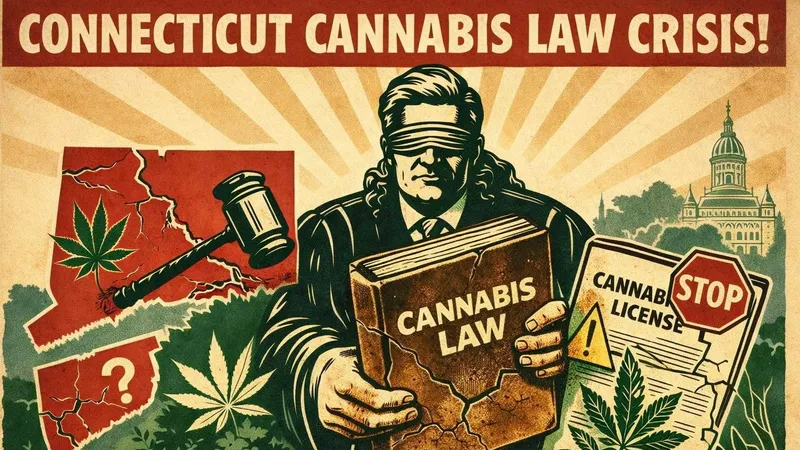
Two Federal Cases Could Force Connecticut to Rebuild Its Cannabis Law
Connecticut’s cannabis framework is being tested in federal court — not over policy disagreements, but over whether the law itself works as written.
Front Page › Archive › December 2025
Connecticut’s cannabis framework is being tested in federal court — not over policy disagreements, but over whether the law itself works as written.
When Connecticut lawmakers passed HB 7181 in June 2025, most attention focused on enforcement, smoke shops, and cannabis penalties.
Editors Note: As we reviewed the record for this article, the number of contradictions became impossible to ignore. Lawmakers warned that shortening social equity protections would increase exploitation risk, then later approved that change.
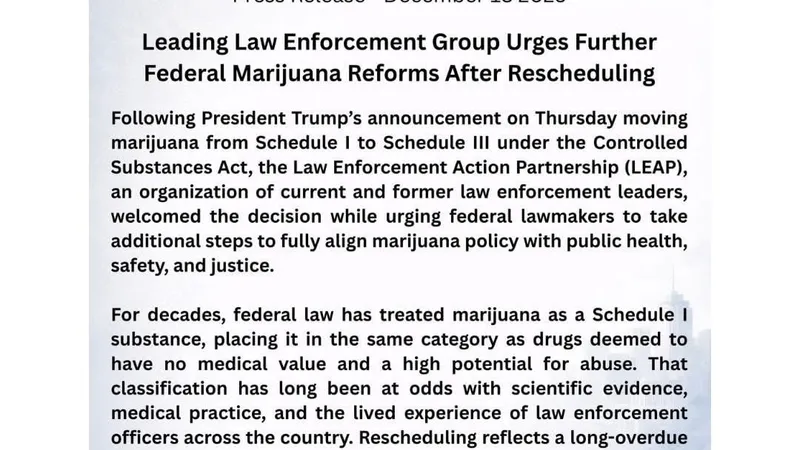
A national organization of current and former law enforcement leaders is warning that today’s federal move to reclassify marijuana does not go nearly far enough—and risks preserving many of the same harms that cannabis reform was supposed to fix.
Connecticut lawmakers warned this would happen. They warned who it would benefit. They warned it would gut social equity. And now, despite those warnings being made on the record, the Social Equity Council has formally proposed the very change legislators said would invite buyouts and push equity owners out.
The State Won’t Arrest Sellers of a Fentanyl-Class Opioid — But Still Arrests People for Cannabis** - December 16th, 2025
Federal officials are once again signaling a shift in cannabis policy — this time through rescheduling marijuana under the federal Controlled Substances Act (CSA). While some national organizations and industry voices are celebrating the move as “progress,” the reality is far less encouraging.
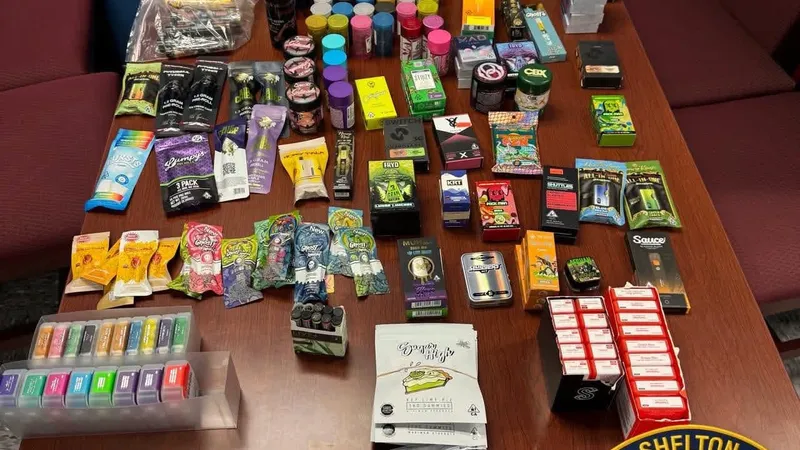
The Shelton Police Department issued a press release today announcing the seizure of a combined 4.75 pounds of cannabis products from two small convenience stores on Bridgeport Avenue. Neither store sold to minors. Neither clerk broke any criminal law involving youth access. Both cooperated fully.
Connecticut lawmakers had two paths in front of them this year.
How Connecticut quietly pays into a secretive national association that helps write cannabis policy behind closed doors — while one of our own regulators helps lead it.
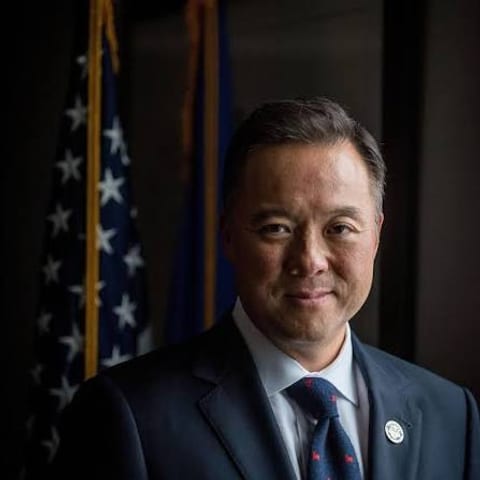
Connecticut Attorney General William Tong is asking a court to rule that nearly all records created by the General Assembly — emails, drafts, communications, internal discussions — should be exempt from public disclosure, as long as they relate to “legitimate legislative activity.”
How two professionally established applicants became “equity” through census-tract rules—despite no documented War-on-Drugs harm, multiple denials, and a clean licensing record.