
Boycott Alert: Crisp Cannabis President Calls for 'Extinguishing' the Legacy Market
At a recent hearing before the Connecticut General Law Committee, Andrew Simonow, President of Crisp Cannabis, made his position clear.
Opinion. This piece expresses the view of the publication. It is labeled so readers can distinguish it from news reporting.
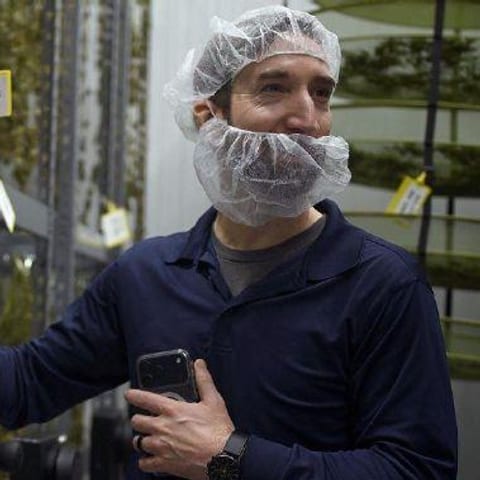
Speaking in support of reforms to strengthen Connecticut’s licensed cannabis framework, Simonow stated:
“Critical reforms… will in fact aid us in extinguishing the illegal legacy market, which operates without controls exposing us all here in CT to harmful untested substances.”
Let’s be clear about what that means.
The “legacy market” he’s referring to isn’t some faceless cartel. It’s the caregivers. The independent cultivators. The longtime underground operators. The small-scale growers who built cannabis culture in this state decades before any million-dollar licensing round existed.
These are the very people who sustained patients when the state refused to legalize. The ones who risked arrest while today’s license holders were nowhere to be found. The people who developed strains, genetics, distribution networks, and trust long before Connecticut decided cannabis could be monetized at scale.
Now they’re being described as a threat to be “extinguished.”
That language matters.
Because Connecticut’s legal market was not designed for those operators. It was built with:
- Six-figure application costs
- Seven-figure capital requirements
- Restrictive zoning
- Tight canopy limits
- Multi-year regulatory delays
Simonow himself acknowledged the “high fees” and “get rich mentality” that have kept prices at “an all-time high in the country.”
He’s right about one thing the system is broken.
But the solution is not to demonize the people locked out of it.
When a market is structured so that only well capitalized operators can enter, while long time community growers are excluded, taxed, or criminalized that’s not reform. That’s consolidation.
Legacy operators built this industry. They carried it through prohibition. They developed the product quality standards consumers expect today.
To now frame them as an uncontrolled menace to be wiped out is not just disrespectful it ignores history.
If Connecticut truly wants to “extinguish” the illicit market, the path isn’t more enforcement. It’s lowering barriers to entry. Expanding true micro-licensing. Fixing fee structures. Allowing meaningful small-scale cultivation access. Creating pathways for legacy operators to transition legally instead of being targeted.
You don’t extinguish history. You integrate it.
The real danger isn’t legacy growers.
It’s a regulatory structure that prices out patients, burdens small operators, and concentrates power in the hands of those who could afford to wait two years and millions of dollars to enter.
Cannabis wasn’t built in boardrooms. It was built in basements, backyards, and small caregiver rooms.
And that deserves respect … not erasure.
This story was originally published by Connecticut CannaTimes on Facebook on February 23, 2026 and was migrated to this website on October 16, 2026. The publication date above is the original date.
Related Stories
Crisp Cannabis President Charged With Animal Cruelty After Dogs Left in Locked Car, Police Say
Months after telling Connecticut lawmakers he wanted reforms that would help “extinguish the illegal legacy market,” Simonow was charged after troopers and firefighters broke into a non running vehicle containing two dogs at the Haddam Neck Fair
Email Template for Contacting the General Law Committee
Respected Members of The General Law Committee [Names of Rep or Senator]*** ‼,
Connecticut Takes Another Step Toward Psychedelic-Assisted Therapy
CT CannaTimes would like to thank the bipartisan proponents, sponsors, and supporters of SB 191 “An Act Concerning the Psychedelic-Assisted Therapy Pilot Program” which officially passed both chambers of the Connecticut General Assembly today.
HB 5222 Strips Hemp-Derived Minor Cannabinoid Protections on Its Way to the Senate
Buried inside HB 5222 is a little-noticed cannabis definition rewrite that could have major consequences for Connecticut’s hemp and cannabinoid market.