
Puff City Smoke Shops Sue Lamont and Tong Over Hemp Sales Restrictions
HARTFORD, CT — A legal battle is unfolding in Connecticut’s federal court as local hemp business owners challenge new state regulations that they claim violate federal law and threaten their livelihoods. The lawsuit, filed by a coalition of smoke shop owners operating under the “Puff City” brand, pits them against Governor Ned Lamont, Attorney General William Tong, Chief State’
Part of Cannabis Enforcement and the DIA Map


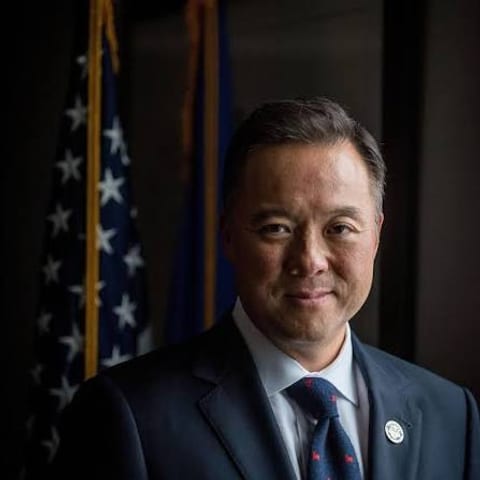
Connecticut Hemp Sellers Take on Connecticut: Lawsuit Challenges Governor Lamont, Attorney General Tong Over Restrictive Cannabis Laws and Unconstitutional Laws
By [Connecticut CannaTimes] | March 13, 2025
HARTFORD, CT — A legal battle is unfolding in Connecticut’s federal court as local hemp business owners challenge new state regulations that they claim violate federal law and threaten their livelihoods. The lawsuit, filed by a coalition of smoke shop owners operating under the “Puff City” brand, pits them against Governor Ned Lamont, Attorney General William Tong, Chief State’s Attorney Patrick Griffin, and Consumer Protection Commissioner Bryan Cafferelli.
At the heart of the case is whether Connecticut’s newly enacted cannabis laws overstep federal hemp regulations, specifically the 2018 Farm Bill, which legalized hemp products containing less than 0.3% Delta-9 THC. The business owners argue that the state has improperly expanded the definition of THC, effectively banning products that are legal under federal law and harming small businesses.
The Lawsuit: A Fight for Survival
The plaintiffs — a mix of small business owners selling hemp and hemp-derived products, such as Delta-8 and Delta-10 THC — claim that three new Connecticut laws (Public Acts 24-76, 24-95, and 24-115) have created confusion, imposed unfair restrictions, and opened them up to potential criminal liability.
Their legal claims are centered on four key issues:
- Federal Preemption – Connecticut’s laws violate the 2018 Farm Bill by imposing stricter THC definitions, effectively criminalizing hemp products that remain legal federally.
- Unconstitutional Vagueness – The new laws are poorly written and conflicting, making it impossible for business owners to know what is legal and what isn’t.
- Violation of the Dormant Commerce Clause – The state’s laws hurt out-of-state hemp businesses by making it harder for them to sell in Connecticut, which could be an unconstitutional restriction on interstate commerce.
- A Broken State Law – The lawsuit also highlights an apparent drafting error in Connecticut’s criminal code, which could unintentionally legalize unlicensed marijuana sales.
The plaintiffs are seeking a court order blocking enforcement of the laws and declaring them unconstitutional.
State Officials Push Back: Motion to Dismiss Filed
In response, Governor Lamont, Attorney General Tong, and other officials have fired back with a motion to dismiss the case, arguing that the lawsuit is legally flawed and that the plaintiffs lack standing because they haven’t shown direct harm.
The motion makes several key arguments:
- Connecticut has the right to regulate hemp under state law, and the 2018 Farm Bill does not prevent states from imposing restrictions on its sale.
- The plaintiffs have not suffered actual harm and therefore lack standing to sue.
- Governor Lamont and Chief State’s Attorney Griffin should be dismissed from the case because they are not directly responsible for enforcing the hemp regulations.
Good and Bad Actors: Who’s Fighting for What?
The Good Actors: Small Business Owners Defending Their Rights
- Hemp Business Owners – These small business owners, who have operated legally under federal law, argue that Connecticut is overreaching and hurting local businesses while favoring the state-licensed cannabis industry. Their fight highlights a growing issue in state-level cannabis regulation: who gets to profit from legal cannabis markets?
- The Courts (Potentially) – If the court fairly evaluates the constitutional claims, this case could set an important precedent for protecting federally legal hemp businesses from state overreach.
The Bad Actors: Overreach and Political Deflections
- Governor Ned Lamont & Attorney General William Tong – While defending the state’s laws, they have attempted to distance themselves from direct enforcement, arguing that they shouldn’t even be part of the lawsuit. This move has been criticized as political maneuvering to shield themselves from responsibility.
- Connecticut’s Legislative Process – The hasty passage of conflicting laws appears to have created an unconstitutional mess. Even Connecticut’s own criminal statute (Conn. Gen. Stat. § 21a-277) is so poorly written that it might accidentally legalize marijuana sales, further proving the plaintiffs’ point about vague and inconsistent laws.
- State-licensed Cannabis Industry Interests – Some believe Connecticut’s push for stricter hemp regulations is a backdoor attempt to protect the state’s licensed cannabis market by eliminating competition from hemp-derived THC products. Is this about public safety, or about market control?
What Happens Next? Will the Case Move Forward?
The court must now decide whether to dismiss the case or allow it to proceed. If the motion to dismiss is granted, the state’s new laws will remain in place, and hemp businesses will have to either comply or challenge the laws through other means.
If the motion is denied, the case will move forward, and Connecticut officials could be forced to defend their laws in a full trial. A ruling in favor of the plaintiffs could roll back state restrictions on hemp products, setting a major precedent for businesses across the country.
For now, the legal battle rages on — and the future of Connecticut’s hemp industry hangs in the balance.
This story was originally published by Connecticut CannaTimes on Facebook on March 13, 2025 and was migrated to this website on October 16, 2026. The publication date above is the original date.
More in Cannabis Enforcement and the DIA Map
The full investigation- Nearly 97% of Documented Cannabis Raids Happened Inside or Within Five Miles of a DIAOctober 17, 2026 · Enforcement
- Crisp Cannabis President Charged With Animal Cruelty After Dogs Left in Locked Car, Police SaySeptember 17, 2026 · Courts
- Would Fentanyl Survive a Burning Joint? Examining the “Fentanyl-Laced Cannabis” ClaimJune 10, 2026 · Enforcement
Related Stories

Lamont, Tong and Cafferelli Move to Dismiss Hemp Sales Lawsuit
March 13, 2025 – Hartford, CT – Governor Ned Lamont, Attorney General William Tong, and other top Connecticut officials have moved to dismiss a lawsuit challenging new state laws regulating the sale of hemp-derived products. Their legal response argues that the plaintiffs, a group of smoke shop owners operating under the “Puff City” brand, have no legal standing and fail to pre
Smith v. Lamont Is Not Over: The Judge Ruled on Neither Side of the Constitutional Question
A federal judge dismissed the original complaint in Smith v. Lamont without prejudice. An amended complaint is on file, a Massachusetts grower is asking to join, and no court has ruled on whether Connecticut’s social equity licensing restrictions are constitutional.
The AG's Bid to Shield Legislative Records From FOIA, and Why It Matters
Connecticut Attorney General William Tong is asking a court to rule that nearly all records created by the General Assembly — emails, drafts, communications, internal discussions — should be exempt from public disclosure, as long as they relate to “legitimate legislative activity.”
Connecticut Bans Kratom and Eight Other Substances Under New Drug Law
HARTFORD, CT — A controversial new law signed by Governor Ned Lamont has officially criminalized kratom, along with eight other substances, under Connecticut’s Controlled Substances Act. Known as Public Act No. 25-101, the law takes effect on October 1, 2025 — and represents one of the most aggressive drug scheduling actions in the country this year.