
Connecticut Bans Kratom and Eight Other Substances Under New Drug Law
HARTFORD, CT — A controversial new law signed by Governor Ned Lamont has officially criminalized kratom, along with eight other substances, under Connecticut’s Controlled Substances Act. Known as Public Act No. 25-101, the law takes effect on October 1, 2025 — and represents one of the most aggressive drug scheduling actions in the country this year.
Part of Cannabis Enforcement and the DIA Map
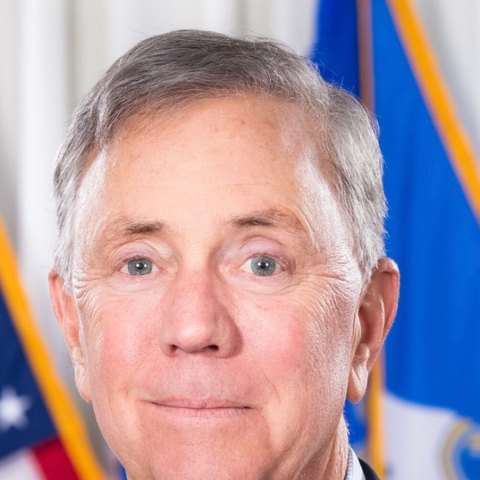 Lamont
CT CannaTimes | August 6, 2025
HARTFORD, CT — A controversial new law signed by Governor Ned Lamont has officially criminalized kratom, along with eight other substances, under Connecticut’s Controlled Substances Act. Known as Public Act No. 25-101, the law takes effect on October 1, 2025 — and represents one of the most aggressive drug scheduling actions in the country this year.
CT CannaTimes has obtained and reviewed the full bill text. Below, we break down each newly criminalized substance, what the law does, what it used to be, and how Connecticut’s policies now rank among the harshest in the U.S.
—
1. KRATOM (Mitragyna speciosa & 7-hydroxymitragynine)
Previous Status in Connecticut:
- Legal to possess, buy, and sell. Available in smoke shops and gas stations.
- Used by many as a harm reduction tool for opioid withdrawal.
- Not scheduled under state or federal law.
Status AFTER October 1, 2025:
- Becomes a Schedule I Controlled Substance (Sec. 4(e)(i)(2)(A)–(D) of PA 25-101)
- Possession is now criminal.
Penalty for Possession (after law):
- Class A misdemeanor — Up to 1 year in jail and/or $1,000 fine
- Cited in CGS § 21a-279(a)(1)
- Raw statute: https://law.justia.com/codes/connecticut/title-21a/chapter-420b/section-21a-279-formerly-sec-19-481/
Penalty Before This Law:
- No penalty. Kratom was legal in all forms in Connecticut.
National Comparison:
- CT joins Alabama, Arkansas, Indiana, Rhode Island, Vermont, and Wisconsin in banning kratom.
- 37 other states still allow some form of legal kratom sale or possession.
- Colorado, Oregon, Nevada, and Utah have regulated kratom for purity and safety — not banned it.
Connecticut is one of the few states now jailing people for a plant the FDA has not officially scheduled federally.
—
2. TIANEPTINE (“Gas Station Heroin”)
Previous Status:
- Legal, unregulated cognitive supplement.
- No state or federal ban. Sold over-the-counter.
Status After Oct 1, 2025:
- Becomes Schedule I under PA 25-101 Sec. 4(e)(i)(2)(F)
- Possession is a crime.
Penalty (after law):
- Class A misdemeanor
- CGS § 21a-279(a)(1): https://law.justia.com/codes/connecticut/title-21a/chapter-420b/section-21a-279-formerly-sec-19-481/
Penalty Before Law:
- None. Fully legal.
Other States:
- Only a few states have banned tianeptine, including Michigan, Alabama, and Tennessee.
- CT is now among the minority banning it outright.
—
3. NITAZENES (e.g., Isotonitazene)
Previous Status:
- Unregulated synthetic opioids.
Now:
- Schedule I Controlled Substance.
- PA 25-101 Sec. 4(e)(i)(2)(E)
Penalty:
- Class A misdemeanor
- CGS § 21a-279(a)(1): https://law.justia.com/codes/connecticut/title-21a/chapter-420b/section-21a-279-formerly-sec-19-481/
Before:
- No explicit regulation or charge unless under analog laws.
—
4. BROMAZOLAM & 5. FLUBROMAZOLAM
Previous Status:
- Legal benzodiazepine analogs available online.
- Not scheduled in CT or federally.
Now:
- Schedule I as of Oct 1, 2025
- PA 25-101 Sec. 4(e)(i)(2)(B) & (C)
Penalty After Law:
- Class A misdemeanor
- CGS § 21a-279(a)(1): https://law.justia.com/codes/connecticut/title-21a/chapter-420b/section-21a-279-formerly-sec-19-481/
Penalty Before:
- No criminal penalty.
Other States:
- These substances are still legal in most states.
—
6. SYNTHETIC CANNABINOIDS
Previous Status:
- Legal loopholes existed via analog chemicals.
Now:
- Explicitly banned under Schedule I (PA 25-101 Sec. 4(j)(2))
Penalty:
- Class A misdemeanor
- Raw statute: https://law.justia.com/codes/connecticut/title-21a/chapter-420b/section-21a-279-formerly-sec-19-481/
Before:
- Rarely prosecuted; legality depended on specific isomer.
—
7. MEPHEDRONE (4-MMC)
8. MDPV (Methylenedioxypyrovalerone)
Previous Status:
- Legal gray area. Known as “bath salts.”
- No explicit state ban.
Now:
- Schedule I under Sec. 4(j)(1) and 4(j)(3)
Penalty (after law):
- Class A misdemeanor
- Statute: https://law.justia.com/codes/connecticut/title-21a/chapter-420b/section-21a-279-formerly-sec-19-481/
Before:
- No legal basis for arrest unless prosecuted under federal analog laws.
—
THE TAKEAWAY: CONNECTICUT TAKES HARSH SWING WHILE OTHER STATES MOVE TO REGULATE
This law places Connecticut at the most punitive end of the national spectrum.
Rather than regulating substances like kratom or tianeptine for purity and access, the state has banned them outright — despite growing evidence of their use as harm-reduction tools.
Critics say banning kratom, in particular, will:
- Criminalize people trying to quit opioids
- Hurt veterans and chronic pain sufferers
- Push the substance underground, making it more dangerous
Meanwhile, no public hearing testimony from medical cannabis patients or kratom advocates was considered in the final bill language.
—
LAW EFFECTIVE DATE:
October 1, 2025 — After this date, possession of any of the listed substances will be a criminal offense in Connecticut.
Full bill text:
https://www.cga.ct.gov/2025/act/pa/pdf/2025PA-00101-R00HB-06855-PA.pdf
—
If you use kratom, tianeptine, or any newly banned substance for medical, pain, or harm reduction purposes — you could now face jail time in Connecticut.
CT CannaTimes will continue reporting on reactions from the harm reduction community and whether this law may be challenged in court.
—
To submit anonymous tips or documents related to substance regulation or criminalization in Connecticut, contact us at CannaTimes confidentially.
This story was originally published by Connecticut CannaTimes on Facebook on August 6, 2025 and was migrated to this website on October 16, 2026. The publication date above is the original date.
More in Cannabis Enforcement and the DIA Map
The full investigation- Nearly 97% of Documented Cannabis Raids Happened Inside or Within Five Miles of a DIAOctober 17, 2026 · Enforcement
- Crisp Cannabis President Charged With Animal Cruelty After Dogs Left in Locked Car, Police SaySeptember 17, 2026 · Courts
- Would Fentanyl Survive a Burning Joint? Examining the “Fentanyl-Laced Cannabis” ClaimJune 10, 2026 · Enforcement
Related Stories
Every Can of THC Seltzer Sold in Connecticut Funds Enforcement, Not Patients
When most Connecticut consumers pick up a can of THC seltzer, they assume they’re supporting a legal industry, small businesses, or the state’s cannabis program. But every single can sold in the state — every individual beverage — sends $1 straight into the Connecticut Cannabis Enforcement Account.

Hi! People and Emerald Lounge: A Grand Opening That Reveals Unequal Enforcement
There is no scenario in which an ordinary Hartford resident could light up cannabis outside a storefront, 20–25 feet from a business entrance, without risking a citation or confrontation. Public consumption rules are enforced aggressively. Municipal police, DCP, and the Clean Indoor Air Act all restrict where an individual can smoke — and lower-income communities feel this enfo
Lamont, Tong and Cafferelli Move to Dismiss Hemp Sales Lawsuit
March 13, 2025 – Hartford, CT – Governor Ned Lamont, Attorney General William Tong, and other top Connecticut officials have moved to dismiss a lawsuit challenging new state laws regulating the sale of hemp-derived products. Their legal response argues that the plaintiffs, a group of smoke shop owners operating under the “Puff City” brand, have no legal standing and fail to pre
Puff City Smoke Shops Sue Lamont and Tong Over Hemp Sales Restrictions
HARTFORD, CT — A legal battle is unfolding in Connecticut’s federal court as local hemp business owners challenge new state regulations that they claim violate federal law and threaten their livelihoods. The lawsuit, filed by a coalition of smoke shop owners operating under the “Puff City” brand, pits them against Governor Ned Lamont, Attorney General William Tong, Chief State’