Editors Note: As we reviewed the record for this article, the number of contradictions became impossible to ignore. Lawmakers warned that shortening social equity protections would increase exploitation risk, then later approved that change.
Connecticut lawmakers warned this would happen. They warned who it would benefit. They warned it would gut social equity. And now, despite those warnings being made on the record, the Social Equity Council has formally proposed the very change legislators said would invite buyouts and push equity owners out.
Federal officials are once again signaling a shift in cannabis policy — this time through rescheduling marijuana under the federal Controlled Substances Act (CSA). While some national organizations and industry voices are celebrating the move as “progress,” the reality is far less encouraging.
Another lawsuit has landed in federal court this week — this time from a Connecticut resident arguing that the state’s cannabis licensing system is unconstitutional and discriminates against ordinary applicants.
The scandal now engulfing Connecticut’s Department of Consumer Protection (DCP) is not an isolated mistake. It is the inevitable result of a toxic regulatory culture where power is abused, dissent is punished, and the cannabis industry is treated not as a partner but as an enemy.
A sweeping federal grand jury investigation into state-funded nonprofits and political favoritism in Connecticut is exposing deeper links to cannabis licensing, questionable grants, and influence-peddling—centered around Senator Douglas McCrory (D-Bloomfield) and his longtime associate, Sonserae “Cicero” Hamlin, operator of the startup nonprofit SHEBA (Society for Human Engagem
Connecticut medical cannabis patients are currently being asked by the state’s Cannabis Ombudsman to “share your medical marijuana story” through a public submission portal on the official state website.
As more states legalize cannabis, not all legalization is created equal. Some states impose far stricter rules on consumers, homegrowers, and businesses than others.
Hartford, CT – A new cannabis enforcement bill, HB 7132, has officially passed both chambers of the Connecticut General Assembly and now awaits the governor’s signature.
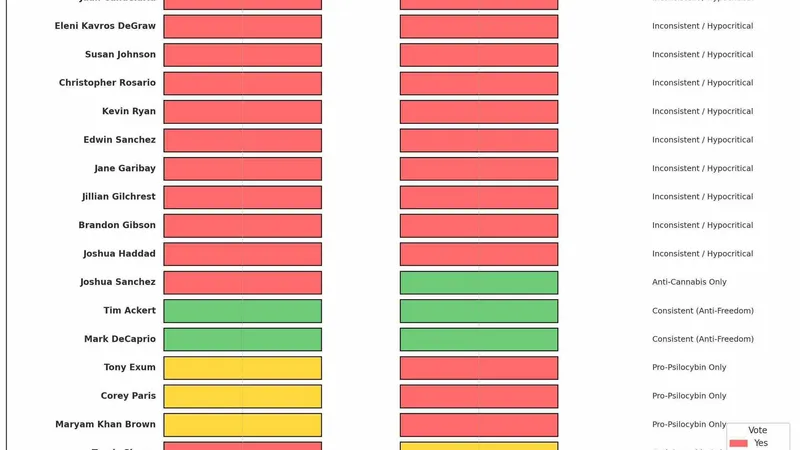
In a confusing twist for advocates of drug policy reform, a recent vote comparison shows that several Connecticut lawmakers who voted to support psilocybin access also voted to increase criminal-style enforcement against cannabis users and small businesses.
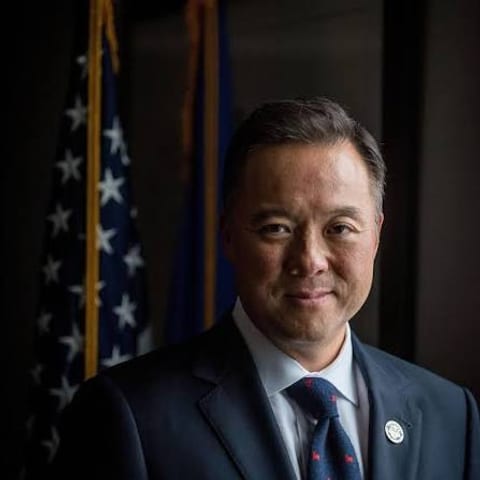
As lawmakers tout House Bill 7181 as a crackdown on illegal smoke shops, questions arise: why ignore the Senate bill that actually closes them — and why is the Attorney General being honored by prohibitionists while championing Drug War 2.0 in Connecticut?
A new bill, HB 7181, introduced by the Connecticut General Law Committee, is raising alarms among cannabis advocates, small business owners, and legal experts. This proposed law significantly expands law enforcement authority over cannabis and hemp businesses, giving the government unprecedented power to investigate, fine, and shut down businesses without due process.