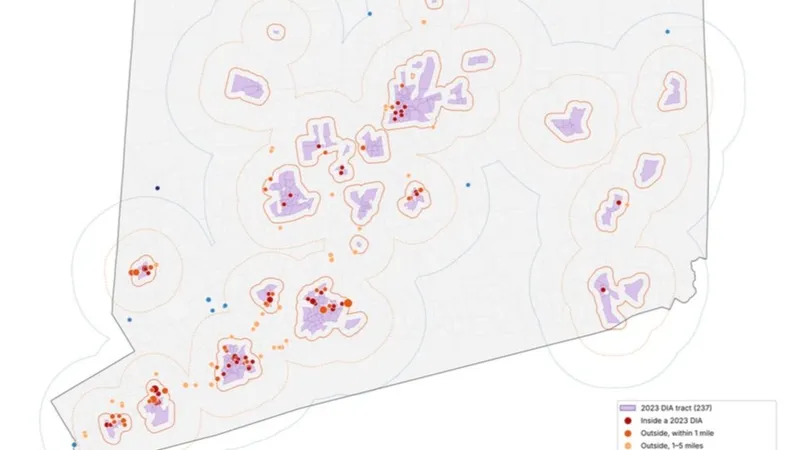
A Connecticut CannaTimes investigation found that 91.6% of documented cannabis enforcement locations, 96.7% of search-warrant raids, and 92.7% of enforcement actions involving arrests occurred inside or within five miles of areas Connecticut designated as disproportionately harmed by the drug war.
A federal judge dismissed the original complaint in Smith v. Lamont without prejudice. An amended complaint is on file, a Massachusetts grower is asking to join, and no court has ruled on whether Connecticut’s social equity licensing restrictions are constitutional.
Connecticut legalized cannabis. Seven people connected to an Ansonia cannabis event now face a reported 20 felony counts involving cannabis and psychedelic mushroom products.
Connecticut CannaTimes is hoping to connect with Derrick Gibbs of Budr Cannabis, Jocelyn Cerda of Shangri-La CT, and other social equity owners, equity joint venture partners, cannabis business operators, and individuals with firsthand experience navigating Connecticut’s licensed cannabis market.
A formal petition submitted to Connecticut’s Department of Consumer Protection (DCP) is calling for greater transparency in cannabis safety testing, expanded access to laboratory results, and stronger independent oversight of medical cannabis products.
A federal lawsuit challenging Connecticut’s cannabis social equity licensing system is moving into another round of litigation, with a new court conference scheduled for October 22.
I keep coming back to the same question….What is it actually going to take for Connecticut's regulated cannabis market and legacy cannabis community to trust each other?
DCP records show the Governor’s Office was “primarily responsible for negotiating” an agreement that created a separately regulated tribal cannabis market connected directly to Connecticut’s existing industry.
Connecticut medical cannabis patients and supporters now have an opportunity to put their voices behind a formal effort to change the state’s medical home cultivation rules.